
How to get your first client (no portfolio)
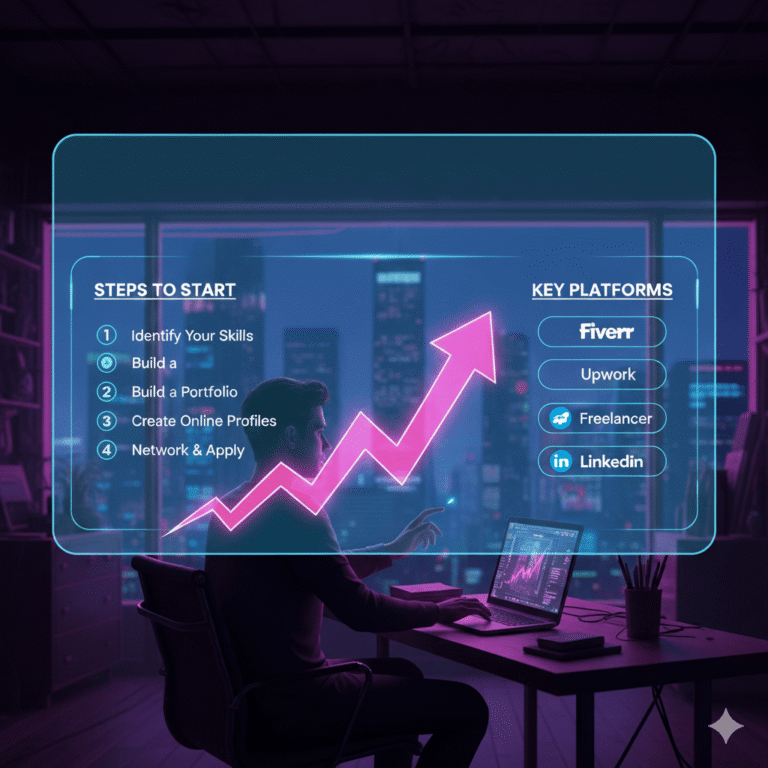
The first client is often the hardest one. After that, everything feels lighter. betterthisworld.com treats this “first client” moment as a turning point: it is where a skill stops being just practice and starts becoming a service someone pays for. The challenge is clear, though. How can someone get that first client with no portfolio, no long list of projects, and no “client history” to show?
The good news is that clients do not actually need a formal portfolio page to trust someone. They need proof, clarity, and a sense that they are being treated with a client-first mindset. Once those pieces are present, a beginner can look more reliable than someone with scattered experience and a sloppy approach.
Why “no portfolio” is not the real problem
A lack of portfolio feels like a wall, but the real problem is perceived risk. A potential client asks a simple question: “If I hire this person, what are the chances this goes wrong?” A portfolio is only one way to answer that question. It is not the only way.
Other signals also reduce risk. A clear description of the service, a calm explanation of the process, thoughtful questions to ask a client on first meeting, and small samples created specifically for that type of work can all replace a traditional portfolio at the beginning. The first client cares less about a polished gallery and more about whether this person understands the job, communicates well, and can deliver something useful on time.
It helps to remember that every freelancer, consultant, or small agency had a first client. No one began with dozens of case studies. They leaned on a mix of practice work, strong communication, and client-first thinking to cross that initial gap.
Turning a skill into a clear “first client” offer
Before hunting for that first client, it is useful to translate the skill into a concrete offer. Many beginners describe themselves vaguely: “I do design,” “I can write,” “I know social media,” “I can help with webflow site builds.” Clients do not make buying decisions from vague descriptions. They need to see a specific outcome.
A clear offer describes one type of project in plain language. Instead of “design,” the offer might be “homepage and landing page design for small service businesses.” Instead of “writing,” it might be “blog posts and service pages for local law firms” or “social media content for wellness brands.” Instead of “virtual assistance,” it might be “inbox and calendar management for solo founders.”
This clarity becomes the internal client first title that guides everything: how the service is introduced, which examples are created, what questions are asked, and what the final deliverable looks like. When the offer is specific, the first client has an easier time deciding whether the match is right.
Creating proof without a formal portfolio
The phrase “no portfolio” often means “no public case studies yet,” not “no evidence at all.” Proof can be created on purpose. Practice work and mock projects can be framed in a way that shows skill, taste, and process, even if they were not done for paying clients.
For design, this might mean building a one-page site layout for an imaginary client, showing structure, components, and a simple style system that looks like it was prepared for a proper client venue. For webflow or front-end work, this might mean a single functional page that demonstrates structure, utility classes, and clean layout choices. For writing, it can be two or three pieces on relevant topics, written with the same care as paid work. For consulting or coaching, proof might be a short guide, a breakdown of a process, or a mini case based on a personal project.
Even when these pieces live in a simple folder or shared document, they already act as a kind of portfolio. When a potential client asks for examples, the beginner can share these samples. The key detail is that the samples are chosen and created to match the type of work being offered, not just a random collection of experiments.
Adopting a client-first mindset from day one
The strongest way to offset “no portfolio” is to feel and behave like someone who already puts clients first. That begins long before the first invoice. It shows up in how the first message is written, how questions are asked, how expectations are set, and how the process is explained.
A client-first approach means thinking about how to make things easier for the person on the other side. It is similar in spirit to brands built around words like client first realty, client first settlement funding, or client first debt settlement: the client’s situation and risks matter more than the freelancer’s need to show off. Instead of trying to sound impressive, the beginner tries to be clear and useful.
This attitude is often what turns a hesitant “maybe” into a first paid project. The client sees not only a skill, but a way of working that respects their time, their decision, and their concerns.
Finding the first client in warm places
The first client is more likely to come from a “warm” environment than a cold application. Warm environments are places where some level of connection already exists: friends, family, classmates, previous coworkers, online communities, local meetups, or existing social media circles.
Reaching out in these places does not require heavy sales language. It can be as simple as letting people know that a specific service is now available. The message explains what type of project is ideal, and invites them to introduce anyone who might need that help.
This approach does not always land immediately, but it often creates surprising opportunities. A brother’s colleague, a friend’s client, or a person in a shared community can become the first client, especially when the offer is clear and the risk is low.
Asking better questions on the first call or meeting
Once a conversation starts, the first meeting matters more than any fancy design or snappy line. A client decides whether to continue based on how heard and understood they feel. This is where questions to ask a client on first meeting shape the entire tone of the relationship.
Useful questions are simple and open enough to let the client explain their situation. They touch on goals, constraints, past attempts, and the context around the project. They do not interrogate for the sake of it. They guide the client toward clarity.
In practice, this might include asking what success looks like in the first month, what problems they hope will disappear if the project works, what their timeline feels like, and what they have already tried. These questions do more than gather information. They show that the freelancer cares about more than just finishing a task. Clients often remember this feeling long after the call ends.
Writing proposals that feel personal, not generic
The proposal that follows a first call or first message is often the moment where a client chooses. With no portfolio, the proposal carries even more weight. It should demonstrate attention to detail, thoughtful structure, and a sense of practicality.
Instead of sending something that reads like a template from an online proposal maker free tool, a good proposal reflects the earlier conversation. It restates the problem in the client’s language, outlines a simple pathway to a solution, and describes what the first phase will look like. It avoids long lists of services and focuses on the specific project being discussed.
Tools such as best free proposal software, Better Proposals login dashboards, or even a simple document created inside a basic online proposal template can still play a role. They help with layout and organization. Yet the content must feel tailored, grounded in the client’s case, not written as if it could have gone to anyone.
Keeping the first project small and low risk
When there is no portfolio, asking for a huge project immediately can trigger hesitation. A smaller, well-defined first project feels more comfortable to a new client. It aligns with the idea of a client first settlement: start in a way that protects the client from large upfront risk.
This can mean offering a single landing page instead of a whole site, a short batch of content instead of a full monthly calendar, a discovery and planning phase before a long engagement, or a limited trial month instead of a long contract. The key is that the first step is big enough to be meaningful, but small enough to feel safe.
A client who sees that the freelancer is willing to start small often feels they are dealing with someone grounded and reasonable.
Billing the first client with clarity
How to bill a client for the first time can create as much anxiety as finding them. Billing becomes less stressful when it matches the structure already agreed in the proposal. The method (hourly, fixed fee, or milestone-based) should be clear before any work begins.
For a first client, many people choose a fixed fee or a simple milestone system. That makes the cost predictable for the client and easier to manage for the freelancer. The invoice should restate what is included, the amount, and the due date. It should not include hidden surprises.
A clean, simple invoice reinforces trust. It aligns with a client-first translator way of working, where information is translated into clear, human language instead of hidden behind jargon.
Managing expectations in the first month
The first month with a first client is about more than delivering a result. It is about building a reputation. Showing up when promised, communicating progress, and handling small issues calmly all matter as much as the final deliverable. This is the quiet “heavy lifting” that turns one project into repeat work or referrals.
It also matters to clarify boundaries. Being client-first does not mean saying yes to everything. It means explaining what is possible, what might cost extra, and how changes will be handled. A good law firm does this in its own way; a solo freelancer or small agency can do the same by setting clear expectations around revisions, timelines, and channels of communication.
What “client-first” really means beyond buzzwords
Words like client first title, client first realty, or cloud first strategy often appear as slogans in business, but their core idea is simple: decisions are made with the client’s outcome in mind. For freelancers seeking their first client, this plays out in small choices.
It shows up in writing emails that respect a client’s time, structuring a page or a project in a way that helps them make a buying decision, and choosing tools that make collaboration easier rather than more complicated. It shows up in being honest about what can be done in the first month rather than overpromising. It shows up in making corrections gracefully if something does not land right the first time.
When a beginner behaves this way, the lack of a formal portfolio becomes less important. The client sees someone who thinks beyond the immediate job—a person they can trust.
Conclusion
Getting a first client with no portfolio is less about tricking anyone and more about reducing risk and increasing trust. A clear offer, a few carefully created samples, a client-first mindset, thoughtful questions on the first meeting, and a simple, tailored proposal all work together to create that trust. Starting with a small, low-risk project and billing with clarity helps the relationship begin smoothly. Over time, this first client becomes the foundation for real work history, case stories, and a growing network of people who have seen the freelancer in action.