
How to Stay Focused in a World Full of Distractions
Every day, a person wakes up with good intentions. There is a plan in mind, a few clear tasks, maybe a quiet wish to grow in study, work, or faith. Then the phone lights up, social media pulls attention, a message arrives, a new worry surfaces. By noon, the mind feels scattered and the original goals have faded into the background.
Learning to stay focused in this kind of setting is not magic. It is a mix of small choices, wise strategies, and a little help from outside the self. This guide looks at how one person can guard attention in a noisy world, step by step, in a way that fits study, work, and daily life.
Seeing the problem clearly: the shape of distraction
Before anyone can change, they need an honest picture of how distractions work. In a fast-paced world, the pull does not come from one big thing; it arrives in tiny slices of time. A few seconds to check a notification, half a minute on a short video, a quick glance at a to-do list that leads to another app. Each moment feels harmless. Together, they break concentration.
Digital tools make this pattern stronger. Social media and constant notifications tap into the brain’s craving for novelty. A person might open their phone “just for a moment” and lose fifteen minutes without noticing. Over a whole day, these small leaks drain energy and leave less space for long, deep tasks.
Some people respond by searching titles like How to avoid distractions and stay focused or 7 ways to avoid distractions and stay focused on studying. Behind those searches sits the same desire: a life where their work, study, and relationships are not ruled by every small beep and buzz.
Naming what matters: focus begins with purpose
Focus is easier to hold when a person knows why they are holding it. Without a sense of purpose, any task can feel like a random chore. With a clear sense of direction, the same task becomes part of something larger.
Many people ask How to stay focused on your goals because their daily choices no longer match their long-term hopes. They feel pulled between daily worries and deeper desires for lasting goals, such as strong family ties, steady growth in skill, or a closer walk with God.
For someone who reads the Bible, passages like 2 Corinthians remind them that some things have eternal value while others fade quickly. That big-picture view does not erase present duties, but it helps the person weigh which tasks deserve peak attention and which can sit lower on the list.
When a person writes down a small number of goals and links each one to a reason that touches their heart, focus has better soil. Truth fuels that focus. It shapes choices about how to spend time, where to place energy, and which distractions are worth saying no to.
Building a workspace that helps instead of harms
Physical surroundings matter. A noisy room, constant movement, or a messy desk can tug at the brain even when a person thinks they are ignoring it. On the other hand, a calmer workspace can act like a quiet fence around attention.
For study, this might mean a corner with a chair, a table, and only the material needed for that session. For work, it could be a simple desk with the main screen, a notebook, and nothing else in the immediate field of view. Focus flourishes when the body learns that “this place is for thinking.”
Small changes add up. Putting the phone outside arm’s reach, turning off non-urgent notifications, or blocking certain sites during focus time gives the mind fewer reasons to wander. A short digital detox each day—maybe an hour with no online media at all—can remind the brain that silence still exists.
Even technical choices can help. A person who runs a website might deal with a cpanel provider, responsive web design, or easy online payments, but when it is time to think deeply, all of that admin can wait. Separating “thinking” blocks from “maintenance” blocks reduces noise.
Managing digital distractions with intention
Digital tools are not enemies by themselves. They connect people, support content marketing, power online work, and help students and teams. The trouble starts when these tools run the day instead of serving its purpose.
Someone who wants to stay focused can treat their apps as tools that open only at specific times. Messaging in two short windows, checking social media once in the afternoon, or reading related posts after primary tasks keeps the phone from setting the schedule.
Many find it helpful to use website blockers during deep work. When a site is not available for thirty minutes, the urge to “just check” often fades. That space can be used for reading, building, or quiet reflection.
During these blocks, short breaks still matter. A person can stand, breathe, look away from the screen, and stretch for a few minutes. These pauses support clear thinking and let the brain reset without falling into a long scroll.
Short focus sprints: working with the brain’s rhythm
The human mind cannot hold peak attention for long stretches without rest. Trying to sit still for three hours often leads to fake productivity: a lot of sitting, very little actual progress.
A simple method like the pomodoro technique works with this reality. In this pattern, a person commits to one task for about twenty-five minutes, then takes a short break. During those twenty-five minutes, they avoid all other tasks, messages, and distractions. During the break, they move, drink water, or step away from the workspace.
This kind of rhythm builds endurance over time. The mind learns that focus is not endless; it comes in waves. In each wave, a person can move a project forward: write a page, solve a set of problems, prepare a piece of code, or outline a chapter.
Someone who reads How to stay focused in a distracted World book may notice similar advice. Many thoughtful authors point to the value of protecting small blocks of time in a distracted world, instead of waiting for mythical “long free days” that rarely appear.
Guarding study: focus for learners
Students are especially vulnerable to distraction. Online classes, constant group chats, and pressure to keep up with friends can steal attention from learning. Teachers and parents sometimes speak of losing students not because they lack ability, but because their minds are rarely still.
When a learner wants to stay focused, they can begin by planning study in small, clear blocks. One block might be devoted to reading a chapter; another to questions; another to active recall. Before each block, they write down the single task in front of them.
Searches like 7 ways to avoid distractions and stay focused on studying show how common this need is. Under all those lists, a simple pattern appears: remove temptations from the desk, keep the phone away, break work into smaller units, and check progress at the end of each block.
Some students commit to a 30-day strategy, tracking daily study time, sources of distractions, and small changes that help. Over a month, they see which techniques keep their mind present and which habits pull them away.
Focus at work: staying present on the job
In offices, shops, and remote setups, How to stay focused and productive at work is a frequent question. Interruptions, chat windows, and meetings can slice the day into pieces where nothing deep gets done.
One approach is to divide the day into “maker” and “manager” blocks. “Maker” blocks are for building things: writing, design, problem solving, planning. “Manager” blocks are for email, meetings, quick answers, and calls. During a maker block, a worker can treat their workspace like a library reading room: quiet, no casual talk, no checking media.
A to-do list helps, but only if it stays short and grounded. Three main tasks for the day give more clarity than twenty vague items. A person who picks the hardest or most meaningful task first honours their best energy.
Someone running their own site or small company might juggle many roles: server care through a cpanel provider, responsive web design, outreach, content marketing, and billing through easy online payments. Without some order, their attention scatters. By clustering similar tasks and giving each cluster a window, they make progress without constant gear shifts.
Focus in life: guarding the heart and mind
Distraction is not only about screens. A person can drift inside their own head, replaying worries, comparing themselves to others, or chasing what-ifs. That is why many people ask How to avoid distractions in life, not just during work or study.
Faith traditions speak to this. In the Bible, instructions about guarding the heart and renewing the mind link attention to spiritual health. Many readers lean on verses from Corinthians and other letters that remind them to fix their thoughts on what carries eternal value, not only on passing concerns.
For someone who trusts God, divine guidance frees them from carrying all outcomes alone. They still invest time and effort; they still practise self-control; yet they no longer rely only on their own strength. Truth fuels their choices, and trust makes room for a more steady heart.
Habits like mindfulness, Christian meditation on scripture, or simple prayer breaks during the day help a person notice when their thoughts drift into fear or envy. In that moment, they can gently bring their attention back to what is in front of them: a conversation, a small task, a chance to carry out good deeds.
Relationships, accountability, and good guardrails
No one learns to stay focused alone. The people around a person either support their effort or chip away at it. That is why healthy relationships matter for concentration.
Some find it helpful to share their goals and weak spots with trusted friends or mentors. These accountability partners do more than ask, “Did you finish?” They ask about the pulls that made it hard and the small wins that made it easier. Honest check-ins can act as a powerful guardrail against slipping back into old patterns.
Practices such as shared study groups, quiet co-working, or prayer meetings give structure. In these spaces, everyone agrees that this stretch of time is for one thing. A learner might attend a weekly bible study that keeps them grounded in truth, while also having a weekly study circle for exams.
Even online, people can group themselves around focus. Some communities set live sessions where everyone works silently for forty minutes, then chats briefly in a short break. Knowing that others are present helps people stick with the task.
Rest as part of focus
Many people try to stay focused by cutting breaks, skipping sleep, and pushing through exhaustion. In the short term, this can raise productivity for a day or two. In the long term, it breaks concentration and harms health.
The brain needs quality restyou might say that calm nights and gentle pauses are the soil in which focus grows. Without them, clear thinking becomes rare, and even simple tasks feel heavy.
Proper rest isn’t laziness; it is basic care. That includes sleep, moments of mindfulness, time outdoors, and time with people who bring peace. It might also include meditation on a verse, silent walks, or quiet reflection on true purpose and eternal value.
Even during the day, a person can take a break that refreshes rather than scatters attention. A short walk without phone, a pause to breathe deeply, or a few minutes of relaxed prayer can reset the mind far more than ten minutes of scrolling.
Dealing with guilt and starting again
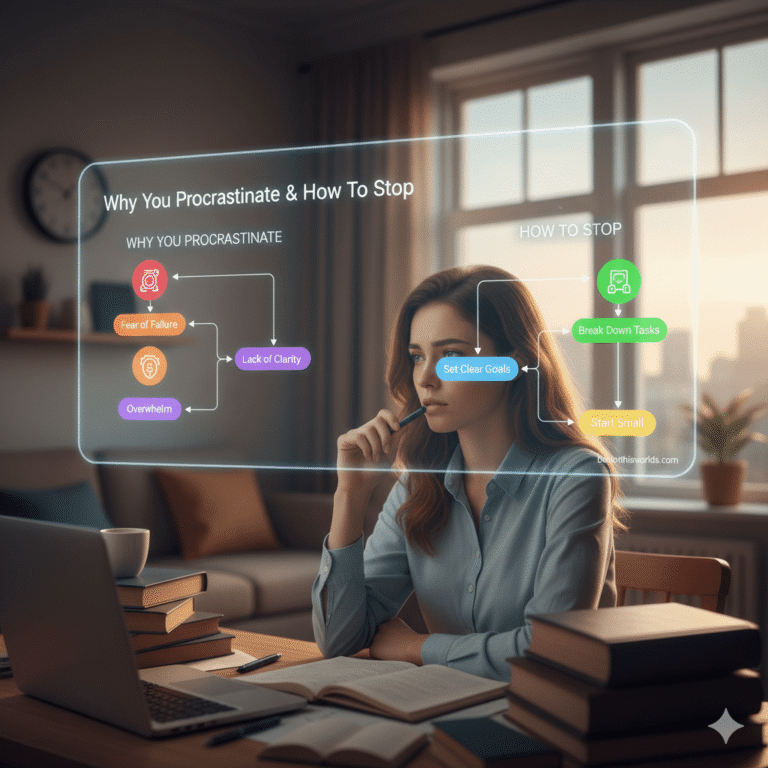
Nearly everyone fails at focus. A plan for the day cracks, old habits return, a single tap on an app turns into an hour. At that point, shame can creep in. Thoughts like “I will never change” or “I have no discipline” may appear.
Grace matters here. A person can treat each moment as a chance to begin again. Instead of judging the whole day, they can ask a small question: “What can I give my attention to right now that lines up with my goals and my values?”
Some find comfort in In a world full of distractions Quotes that remind them of God’s patience and steadiness. Others lean on lines from writers or mentors who encourage steady effort over perfection. The main point is that change grows from repeated small returns, not from one flawless streak.
A bigger story: focus, faith, and purpose
Books with titles like How to stay focused in a distracted World book or guides on How to avoid distractions in life often blend practical advice with deeper questions. They ask what sort of person the reader wants to become and what kind of story they want their life to tell.
For a believer, this story includes trust in a God who sees their days, cares about their work, and guides their steps. For others, it may centre on service, craft, or family. In all cases, focus is not only about getting more done; it is about giving the best of one’s attention to what carries real weight.
Even in technical fields—whether that is setting up sites through a cpanel provider, learning responsive web design, or handling content marketing—the same question lurks: “Why am I doing this?” When that answer touches heart, focus has a reason to exist.
Pulling it together: practical strategies for a distracted world
Someone looking for How to avoid distractions and stay focused or How to stay focused and productive at work often hopes for one quick rule. Real change usually comes from a mix of small, practical strategies repeated across many days.
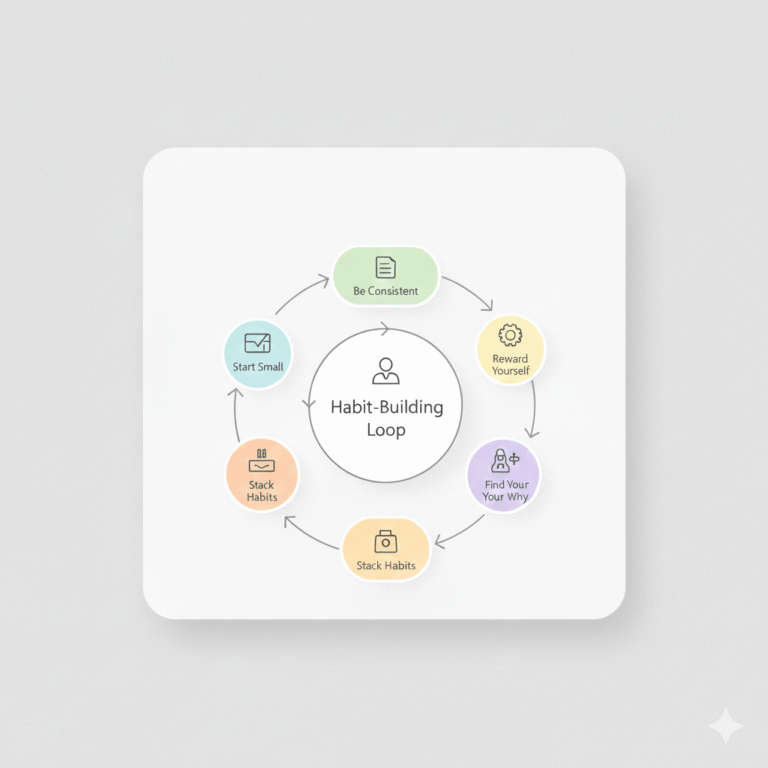
Those patterns include writing down a few real goals, clearing a simple workspace, limiting notifications, planning focus blocks with tools like the pomodoro technique, and treating rest as part of the plan. They also include looking beyond the moment—toward true purpose, eternal value, and the kind of person they hope to become.
In a distracted world, this path asks for strong commitment, but not perfection. When a person stumbles, they can begin again in the next block of time, the next day, with fresh active confidence that steady practice can reshape the way their mind meets the noise around it.
In that slow, repeated choice, focus becomes more than a mood. It becomes a habit, a form of quiet worship for some, and a steady way of living for others—a way of walking through a buzzing world with a calmer heart and a clearer mind.
Conclusion
In a noisy, fast-moving world, staying focused is less about having superhuman willpower and more about shaping the day with intention. When someone gets clear on what actually matters, protects small blocks of time, and gently pushes distractions to the side, their mind has room to settle on the task in front of them. A simple workspace, quiet phone, and short, focused work sprints can turn scattered hours into steady progress.
Focus also grows when it’s rooted in something deeper than a checklist. Connecting daily tasks to long-term purpose—whether that’s serving others, growing in skill, or honouring God—gives attention a reason to stay. Add in real rest, honest relationships, and a bit of self-compassion after bad days, and staying focused becomes less of a fight and more of a way of living: one where the heart is calmer, the mind is clearer, and the important things finally get the time they deserve.